Newsletter Subscribe
Enter your email address below and subscribe to our newsletter
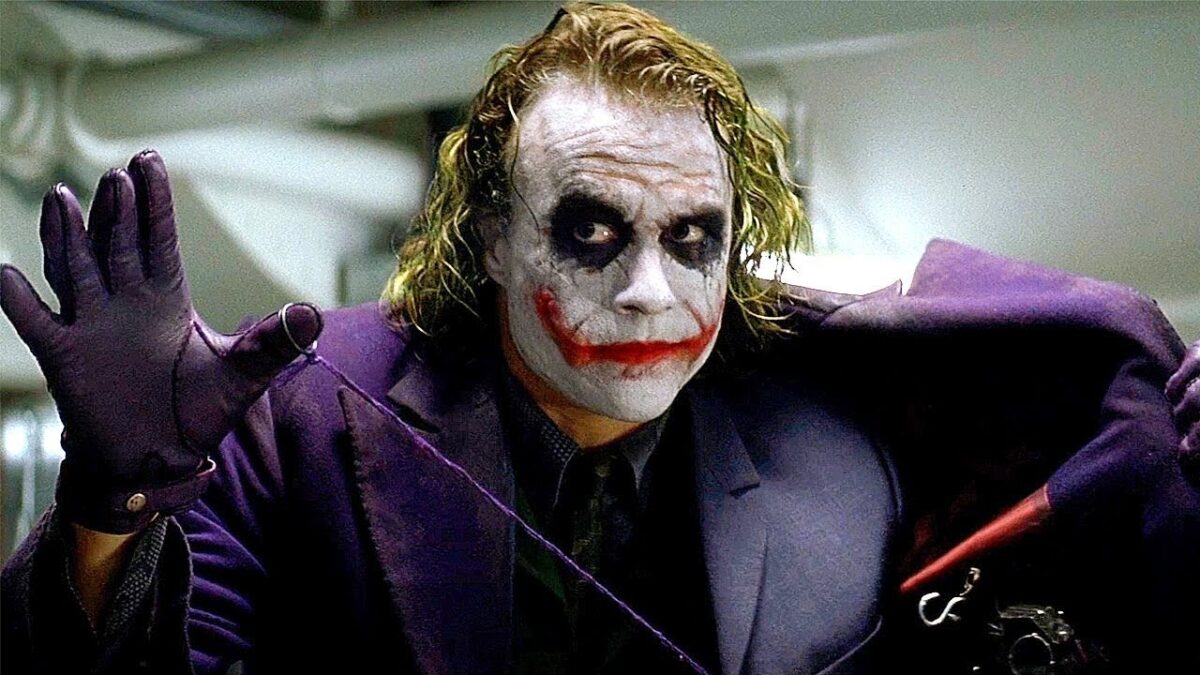
In this section of our Colossus Movie Guide for The Dark Knight, we look at the key shots that help us understand the film.
Each of these shots provides a rich visual context for the exploration of the film’s themes. They capture the essence of the characters and the fundamental conflicts that drive the narrative. By understanding the significance of these shots, viewers can gain a deeper insight into The Dark Knight‘s exploration of order, chaos, duality, morality, and sacrifice.
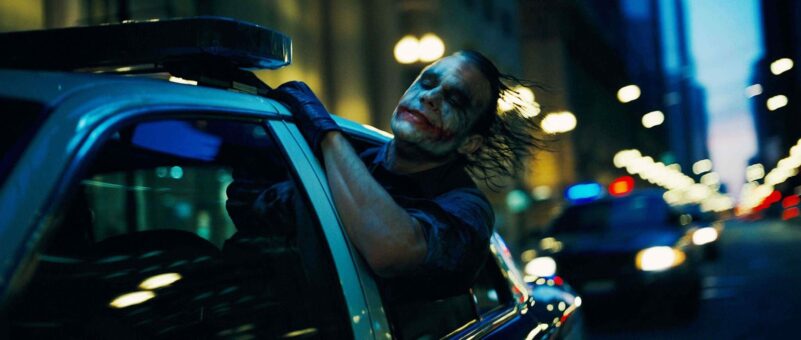
There’s a memorable shot of the Joker leaning out of a police car, his head tilted upwards, soaking in the city’s chaos with an almost ecstatic expression. This shot is significant as it perfectly embodies the Joker’s love for anarchy and his ability to thrive in chaos. The ironic visual of the agent of chaos casually riding in a symbol of law and order – a police car – underscores his ability to disrupt the established order and take control of the symbols meant to enforce it.
Every 2026 movie I’ve seen, ranked. Became a dad, so catching up. Updated: October 17
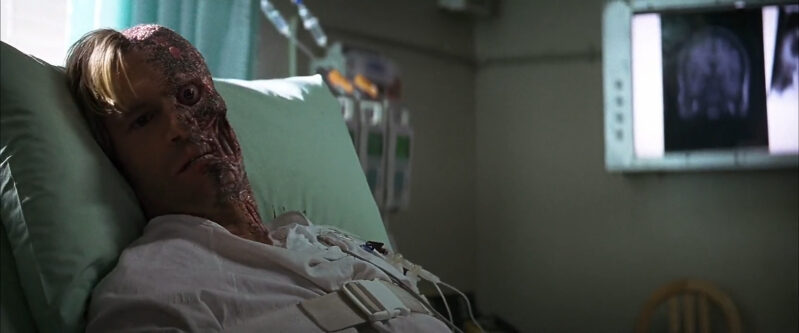
The shot revealing Harvey Dent’s transformation into Two-Face is particularly significant in understanding the movie’s themes. The shot, a close-up of Dent’s face, now horribly scarred, highlights the duality of his character. His once handsome and charismatic face is replaced with a grotesque one, embodying his fall from grace and his transformation from a beacon of hope into an agent of chaos. It visually represents the theme of duality and the thin line between heroism and villainy, reinforcing the tragic downfall of Harvey Dent.
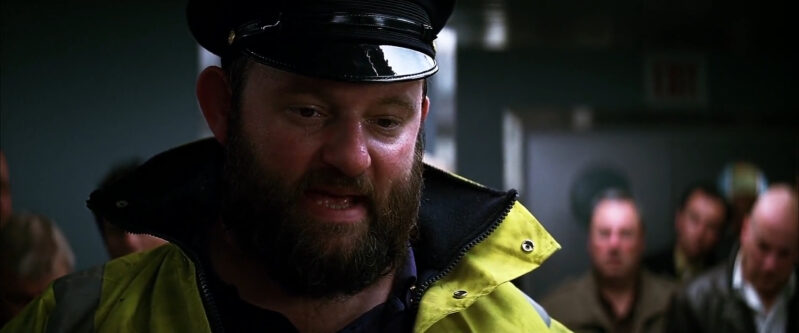
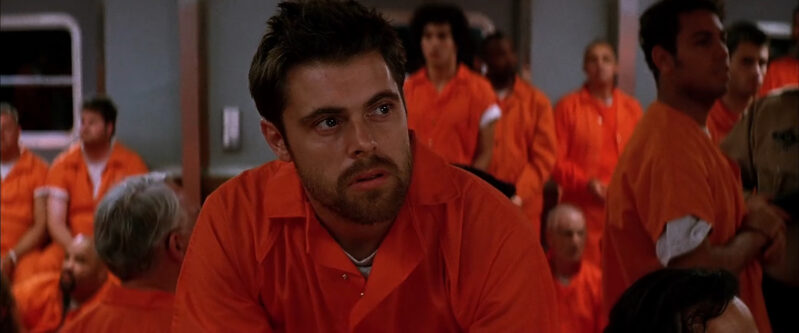
In the film’s climax, the shot showing the faces of the ferry passengers as they grapple with the Joker’s deadly game is vital for understanding the deeper meaning of the film. Their expressions of fear, uncertainty, and moral dilemma, starkly illuminate the film’s exploration of the struggle between self-preservation and moral integrity. This shot demonstrates the film’s inquiry into human nature and the choices individuals make when confronted with extreme circumstances.
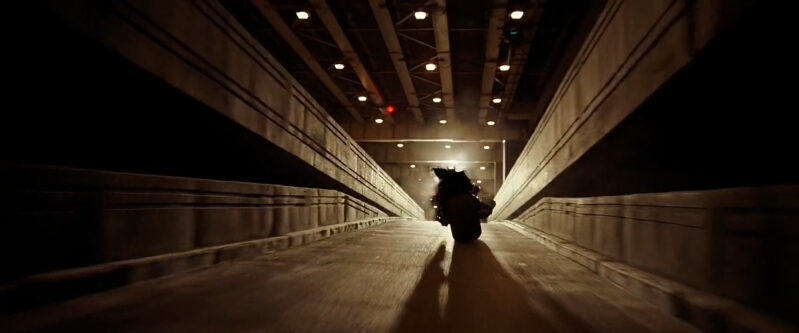
The final important shot to consider is Batman atop his Batpod at the very end. This shot occurs after Batman has chosen to take the blame for Harvey Dent’s crimes, deciding to become a pariah to preserve Dent’s image as a hero. This shot is significant because it encapsulates Batman’s sacrifice for Gotham. Despite being cast in the light that represents the now smashed Bat Signal, a symbol of hope, Batman has become a hunted figure. It visualizes the theme of sacrifice and the cost of being a hero, emphasizing the complex nature of Batman’s role in Gotham’s fight for order.
Are there more shots you think should be part of the Colossus Movie Guide for The Dark Knight? Leave your thoughts below and we’ll consider adding them.

Film Colossus Supporters get access to the Frameshift and Active Viewing courses, an ad-free site, the Watch More Films newsletter, and the ability to request movies for analysis. Your support also directly keeps Film Colossus alive while I try to scale it into something sustainable, as it's just me, Chris, who does everything here.
Or create a free account. You gain access to the Active Viewing course and Watch More Films.
Join the Film Colossus community, get the newsletter, and unlock member features as they're added.