Newsletter Subscribe
Enter your email address below and subscribe to our newsletter
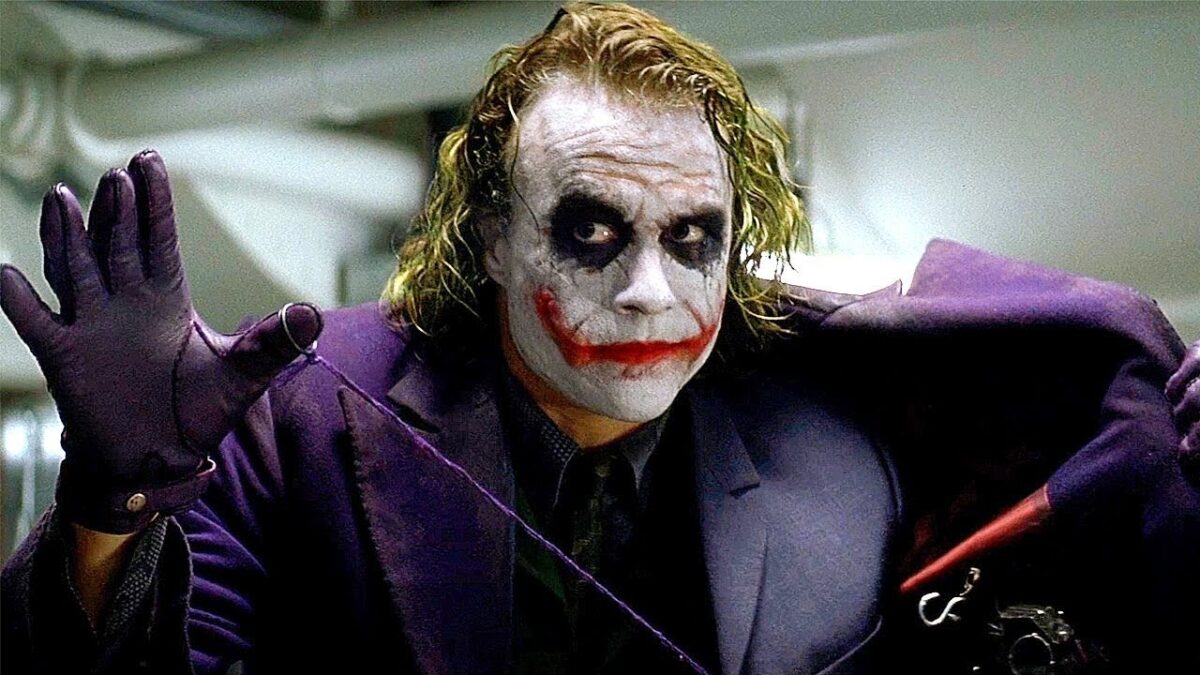
In this section of our Colossus Movie Guide for The Dark Knight, we delve into the significance of the film’s title.
The Dark Knight isn’t simply an identifier for the movie’s protagonist, Batman. Rather, it serves as a complex metaphor that encases the entirety of the film’s narrative within its confines. It encapsulates the thematic heart of the film: the exploration of moral ambiguity, the struggle with internal darkness, and the implications of a hero operating outside the bounds of traditional law.
“Dark” symbolizes the inherent philosophical complexity and the inevitable ambiguity that comes with wielding power. Throughout the film, Batman is forced to navigate this ethical maze, often pushed into ethically dubious actions in his quest for justice. This darkness doesn’t only refer to the character’s persona or his literal dark attire, but to the shadowy nuances of his morality. It invites us to consider the blurred boundaries between right and wrong, and to question whether the ends can truly justify the means.
Every 2026 movie I’ve seen, ranked. Became a dad, so catching up. Updated: October 17
The “Knight” represents the classical archetype of a warrior bound by a code of chivalry, serving as a protector of the realm. Yet, in Batman’s case, this chivalry isn’t as straightforward. While he is the self-appointed protector of Gotham, he operates outside the law, often making decisions that local law enforcement and governing bodies cannot or will not make. His “knighthood” thus reflects a vigilante justice, not sanctioned by any authority, but rather necessitated by the circumstances. This aspect of the title provokes thoughts about the nature of lawfulness and how it should be upheld when traditional systems fail.
The combination of these two words, “Dark” and “Knight,” indicates the blending of these two complicated ideas. The titular Dark Knight is a figure who grapples with his own darkness and principled ambiguity while attempting to uphold fairness in an often corrupt and chaotic world. The title prompts us to consider the ethical complications involved when someone takes the law into their own hands, even with the best of intentions.
The title’s significance also extends beyond the character of Batman. It indirectly refers to the city of Gotham and its citizens. Gotham, like its vigilante, is a “Dark Knight” in its own right. The city is plagued by crime, corruption, and a sense of despair, representing societal structures that grapple with similar moral complexities. The citizens of Gotham, who harbor both fear and admiration for Batman, become complicit in his vigilantism, thereby reflecting their own struggle with darkness and the thirst for justice.
Do you have additional insights regarding the title that you believe should be incorporated into the Colossus Movie Guide for The Dark Knight? Leave your comments below, and we may include your suggestions in our comprehensive guide.

Film Colossus Supporters get access to the Frameshift and Active Viewing courses, an ad-free site, the Watch More Films newsletter, and the ability to request movies for analysis. Your support also directly keeps Film Colossus alive while I try to scale it into something sustainable, as it's just me, Chris, who does everything here.
Or create a free account. You gain access to the Active Viewing course and Watch More Films.
Join the Film Colossus community, get the newsletter, and unlock member features as they're added.