Newsletter Subscribe
Enter your email address below and subscribe to our newsletter

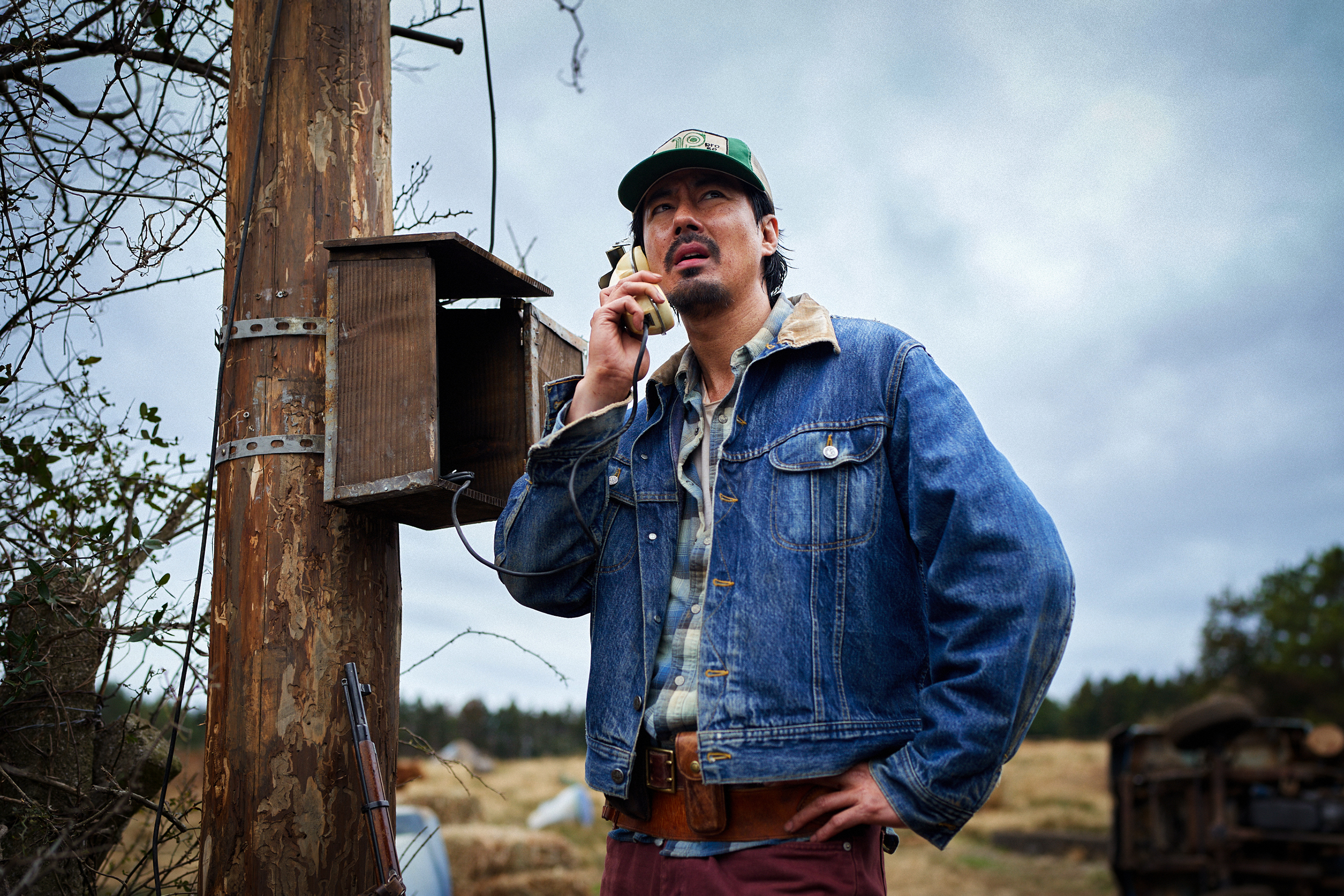
It’s easy to miss while watching but Hope actually takes place sometime before the 00s. In interviews, Na Hong-jin and his production designer have cited aesthetics from the 70s, 80s, and 90s influencing the film.
Why set the story in the past? To start, Na wanted to avoid the complication of smartphones. Mobile phones would eliminate a lot of the tension created by characters being unable to reach one another. So there’s a practical, plot reason.
But it also adds to the theme.
In an interview with RogerEbert, Na talked about how his desire to include action sequences with firearms was:
“part of the impetus for setting the film in this particular time period…because of the paranoia of the times, [the characters] would be far too trigger-happy.”
His reference to the “paranoia of the times” refers to Hope Harbor’s proximity to the Korean Demilitarized Zone, the heavily fortified area that separates North and South Korea. The country split in 1945, following World War II. Then the Korean War followed in 1950 after North Korea invaded the South. The Northern forces actually made a deep push and almost overran the entirety of the South before a counter-attack drove them all the way back.
Na placed the fictional Hope Harbor near the DMZ because of the historical implications. I imagine he used the northern Goseong region as inspiration because it was caught in the middle of Korea’s separation. Parts of the area went back and forth between North and South before the armistice ultimately split the region. The people there build their lives in the shadow of the country’s great divide.
Every 2026 movie I’ve seen, ranked. Became a dad, so catching up. Updated: October 17
That’s why the opening conversation about the tiger feels like a wink and a nudge. Sung-ki and his friends tell Bum-seok about a tiger from the north crossing the DMZ into Hope Harbor. That’s the constant fear. Invasion by something from the North, something dangerous. Whether it’s a tiger or an invading army.
There are signs in the movie that translate to “Report Spies, Call 113” and “Protect the nation from infiltration.”
This is what Na told Inverse: I think it’s because, as I was preparing the movie, I knew that I wanted to set this in a very isolated town in a remote corner of the country because I wanted the main characters, the human characters of this film, to be a community that’s very consolidated and not open to outsiders. So I chose that setting because I thought it was a very simple and clear way to convey the symbolic message of the film and portray this consolidated community of people and their conflict with the aliens.
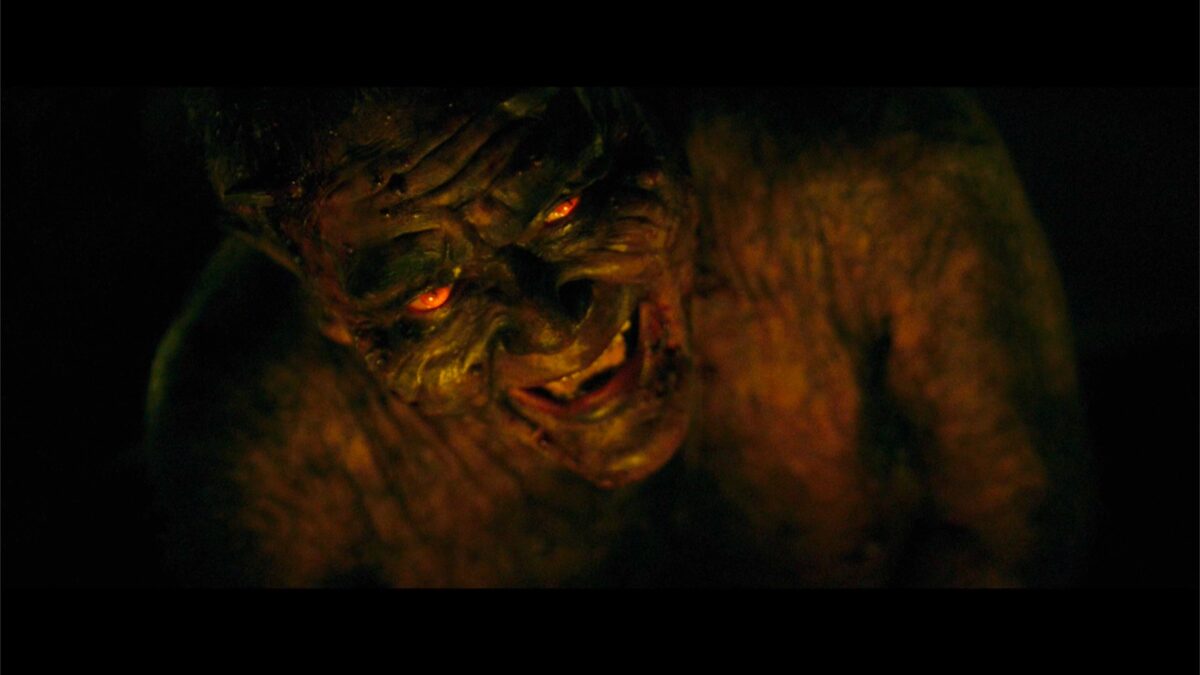
That’s the grounded subtext underneath Hope. Na draws on his country’s history of invasion anxiety and anti-infiltration paranoia. So the whole opening sequence with the monster tearing through the town, leaving it in ruins, is that very real fear of outsiders brought to life.
Except Na eventually challenges that thinking. Are the outsiders really the ones to blame? The simple binary at the start of the film is us vs. them but Bum-seok slowly realizes that from the perspective of the aliens maybe the humans are the aggressors.
He explored similar territory in The Wailing, where a community suffering from tragic events no one can explain focuses its suspicion on a Japanese outsider.
That’s why the period setting is important and not just a way to avoid smartphones. Na uses the setting to reinforce the themes of division, infiltration, and fear of the other. Then something does cross the border, so to speak, and Hope uses that as an opportunity to ask whether fear helped them prepare for a threat or caused the tragedy.
It feels like tucked away in everything else is this idea about what happens when paranoia meets easy access to weapons. The more capable everyone is of responding violently, the easier it is to become, in Na’s own words, trigger-happy. And we see the chaos that creates.


Film Colossus Supporters get access to the Frameshift and Active Viewing courses, an ad-free site, the Watch More Films newsletter, and the ability to request movies for analysis. Your support also directly keeps Film Colossus alive while I try to scale it into something sustainable, as it's just me, Chris, who does everything here.
Or create a free account. You gain access to the Active Viewing course and Watch More Films.
Join the Film Colossus community, get the newsletter, and unlock member features as they're added.