Newsletter Subscribe
Enter your email address below and subscribe to our newsletter
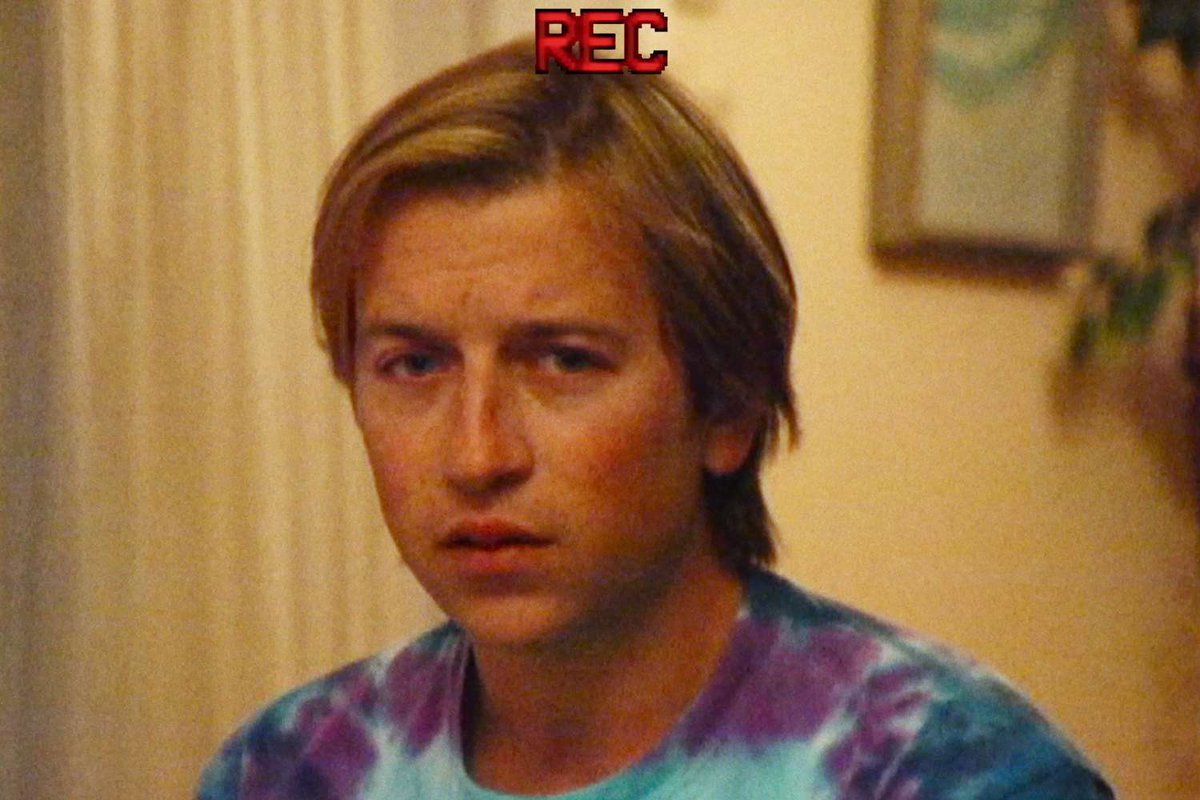
Okay, so we have this scene where Decoy Dan, Dan Plum, pretends to be Chris Hansen. And it seems some people are confused about why. There’s a literal answer and a thematic one.
But if you’re curious if Decoy Dan ever actually took over an episode of To Catch a Predator, I’ll tell you right now: no, he didn’t. That was made up for the movie.
The literal answer is fairly obvious. The usual flow of the show is that decoys like Dan wait for the predator to appear, greet them, bring them into the house, make small talk for what’s usually less than a minute, then leave the room. At that point, Chris Hansen appears.
Except in this situation, Hansen doesn’t make his usual dramatic appearance. He’s too upset about the “whale” abandoning a rendezvous with Dan. Dan sees the producer, Andie Bender, yelling at Chris to get off the floor and do his job. So Dan knows going into the situation with the predator that Chris probably won’t show up. But because the predator is there, he goes into the usual routine, just in case.
Chris doesn’t show up, the chat transcript is on the table, and Dan’s an actor who hopes the show will give him his big break. So he seizes the opportunity to play the part of Chris Hansen. He starts off strong but wavers at the end, lacking the dramatic conclusion that Hansen would have given. His last line is a deflated “I hope you remember my face as the face…that you saw…when…everything changed.”
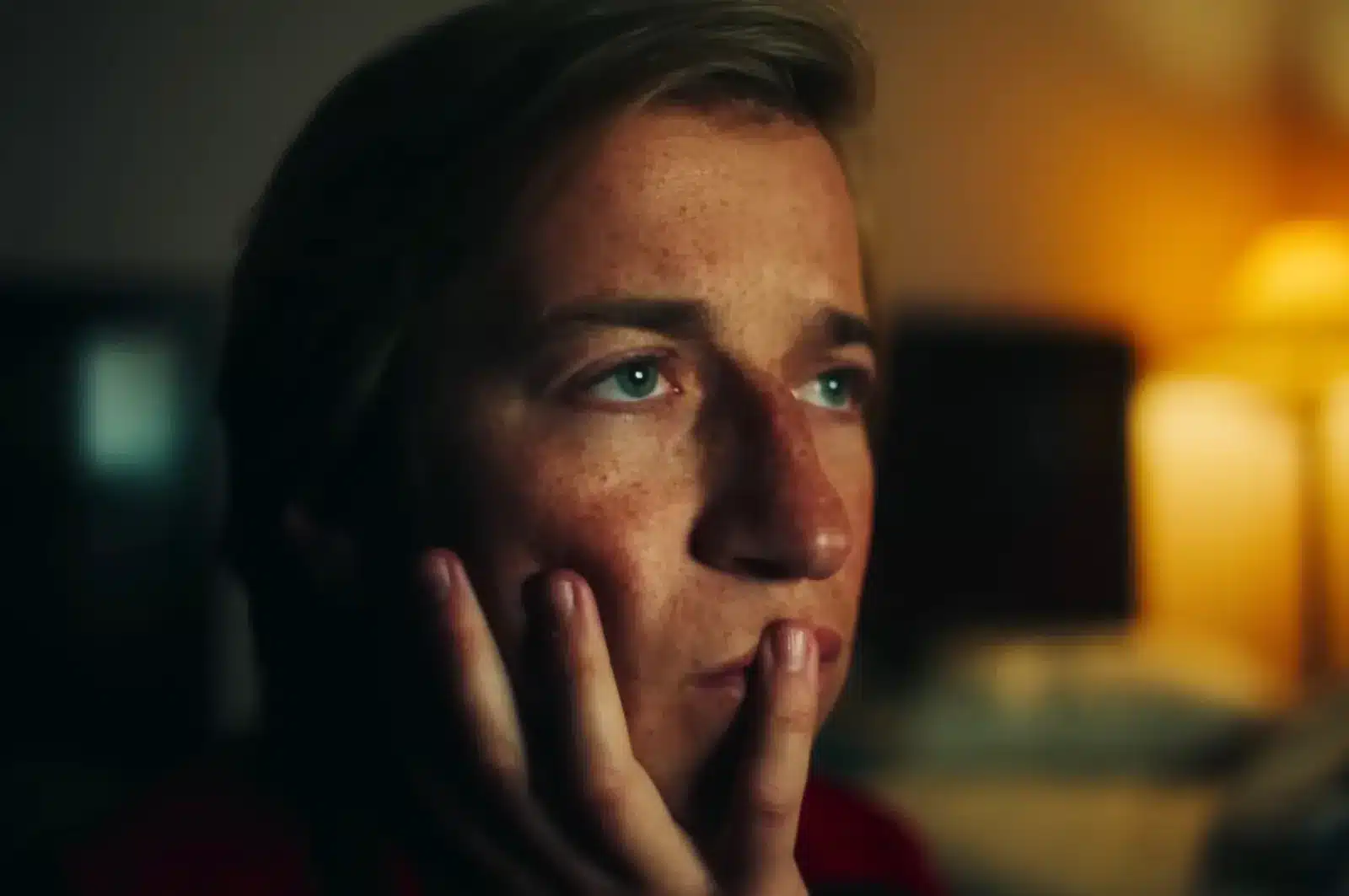
As the predator slinks away to the cops who arrest him, Dan looks unsure about how he feels. And we can assume it’s about more than his performance. It’s a sense of moral confusion.
That moral confusion is what leads into the thematic explanation.
In the very next scene, Dan stands next to a ruminating Hansen. Hansen says:
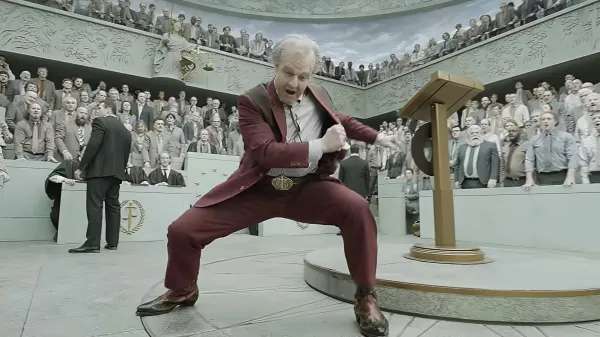
“You know, in the old days, when people would act so depraved, they’d drag you down to the town square and tie you to a post and whip you. For all to see. There used to be a pillory in every civilized town. Now there’s television in every home. That I’m on. So are you, Dan.”
Up to this point, Primetime reinforced how much Dan wanted to be an actor and how he viewed the show as an opportunity to make that a reality. While Chris Hansen wasn’t an actor, he was the star of this program, and Dan looked up to him as such.
Remember their conversation at the hotel bar? Dan explains that he wants an acting credit, something that will help him get his SAG card and representation. Hansen tells him that his work is more than acting. He’s helping save children. He’s a superhero. That’s when Hansen gives him the name Decoy Dan.
Every 2026 movie I’ve seen, ranked. Became a dad, so catching up. Updated: October 5th
In the role of Decoy Dan, Dan was fine playing the part. He was part of Hansen’s artificial world. But when Chris doesn’t show up, Dan stops being the decoy. The artifice goes away. He tells the predator, in his best Chris Hansen voice, “I’m not 13. I’m 23. My real name is Dan Plum…I’m a professionally trained actor, and I’m helping tell a story…”
It’s essentially like a background actor in a Broadway show taking over for the lead who suddenly ran offstage. The background actor always aspired to be more, and this is their chance.
Except To Catch a Predator has a moral quandary that goes beyond a Broadway show. This is a real person, and Dan just played a part in ruining their life. On the one hand, this is a predator who thought he was going to meet a 13-year-old. Why should we feel bad for him? On the other hand, when Dan asks the predator if he does this a lot, the predator says he barely leaves his house. There’s this subtextual question of whether the show actually caught a predator or influenced someone to become one.
Dan had ignored the moral issues up to that point. But once he steps into Chris Hansen’s shoes and finally gets to act…he doesn’t like how it feels.
That turns the speech Hansen gives about pillories becoming TVs into a bit of a meta commentary. Modern TV, modern entertainment, isn’t just about acting. There’s another layer to the entertainment industry that’s exploitative and ugly.
Think about the larger story with Chris Hansen. The reason he’s so upset about “the whale” who didn’t show up isn’t just because he believes so strongly that he’s in a battle between good and evil. He’s upset because ratings have slipped. The network executive doesn’t like the new material and is on the brink of moving To Catch a Predator off of Primetime. Hansen believes catching the whale will be the big breakthrough that brings him all the fame and acclaim he so desperately wants.
Hansen is truly dedicated to protecting children. But the show is his way to feel in control and important and special. He could protect children without turning it into primetime entertainment. He turns it into primetime entertainment for his own benefit.
Once Dan becomes Chris Hansen, he has an entirely different view about what it is they’re doing, about the conflict between performance and reality. Did he just fight evil or humiliate someone for a TV audience?
That carries over into the final engagement with the whale, Bill Conradt. The rule of the show was that the predator had to cross the line and come to the house. The decision to take the show to Bill Conradt broke the rule. That’s why the other decoy, Del Harvey, leaves instead of going on the raid. And it’s why Dan looks so upset the entire time they’re at Conradt’s place.
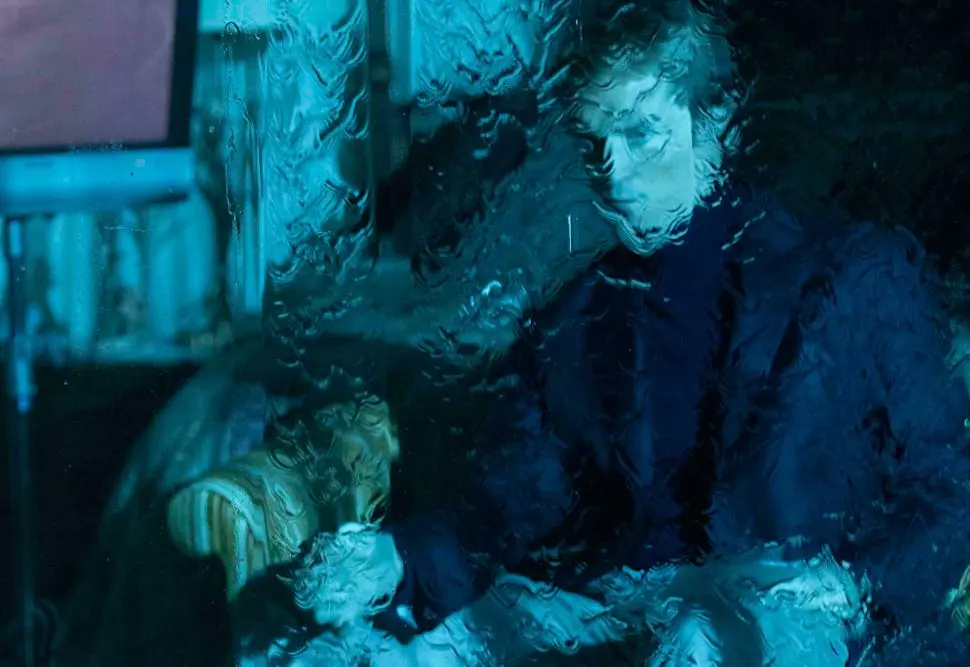
At Conradt’s house, Dan ends up talking to Conradt about musicals, and he sings the song, like he did in his audition at the beginning of Primetime. It’s a very different situation from the audition, but it’s also one of the few moments where Dan connects with someone.
In that moment, Conradt isn’t the whale, some terrible monster they’ve spent days trying to catch. He’s a person Dan genuinely connects with. Obviously, that doesn’t mean Conradt was innocent. It means the situation around To Catch a Predator is more complicated than Hansen wants to admit. You can believe someone should be held accountable without believing you have the moral authority to do absolutely anything to them.
After Conradt does what Conradt does, Dan leaves not only the show but abandons his pursuit of acting.
In the final scene, Dan finally receives his SAG card. It’s all he wanted. Except it’s no longer just about acting. There’s a philosophical question of whether or not he wants to participate in the machine. All of this is set in motion by the scene where Decoy Dan “becomes” Chris Hansen.
For an analysis of that moment, check out my explanation of Primetime’s ending.
And if you’re wondering about the real Decoy Dan, here’s the breakdown of Dan Schrack. He’s the inspiration for Dan Plum.


Film Colossus Supporters get access to the Frameshift and Active Viewing courses, an ad-free site, the Watch More Films newsletter, and the ability to request movies for analysis. Your support also directly keeps Film Colossus alive while I try to scale it into something sustainable, as it's just me, Chris, who does everything here.
Or create a free account. You gain access to the Active Viewing course and Watch More Films.
Join the Film Colossus community, get the newsletter, and unlock member features as they're added.