Newsletter Subscribe
Enter your email address below and subscribe to our newsletter

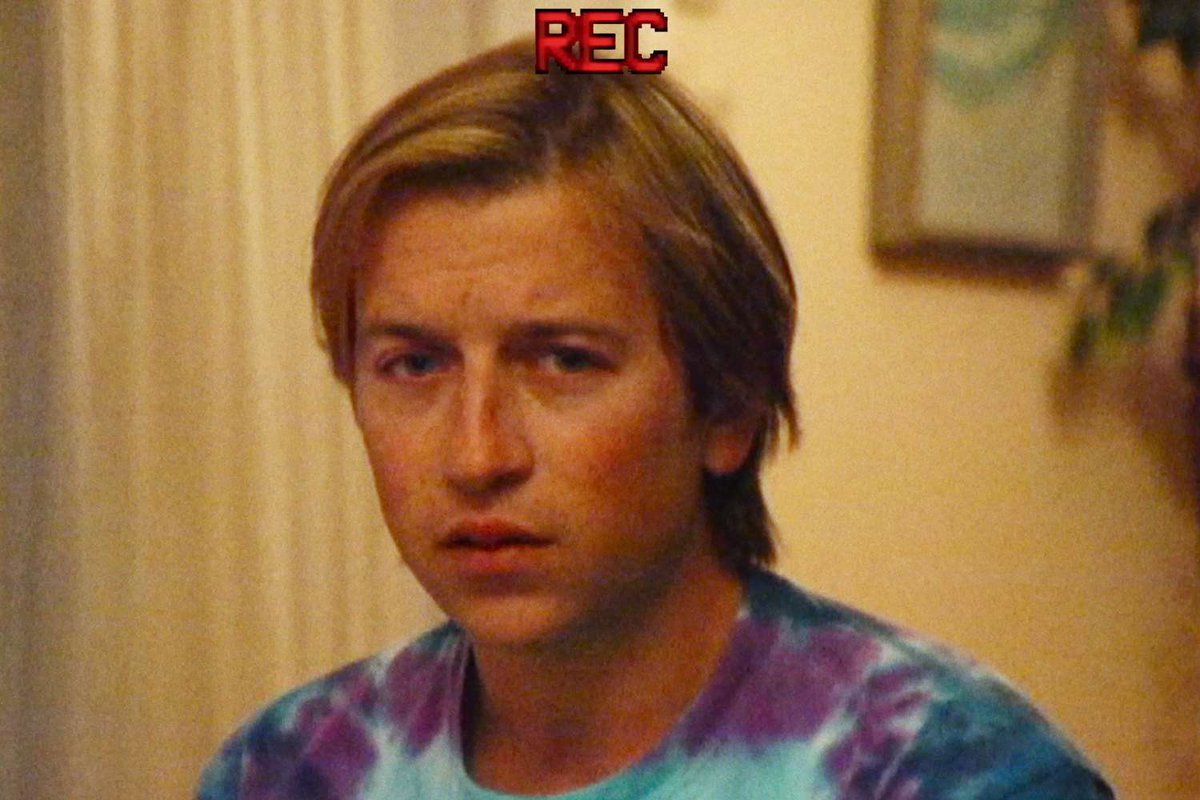
Primetime ends one year after the events in Murphy, Texas, with Bill Conradt. We find Dan Plum living in Mesa, Arizona, far from Los Angeles. A chatty neighbor brings Plum a letter from the acting guild. Inside is his SAG union card. The neighbor asks him, “You an actor?” Dan looks up at the neighbor and it’s almost like he’s looking at the audience. Then the movie ends.
Earlier in Primetime, Chris Hansen asks Plum what he hopes to get out of working on To Catch a Predator. Dan says he wants “something for his reel” and an acting credit, because the acting credit “would be really helpful for getting [his] union card and representation.” Essentially, he’s hoping Predator is the stepping stone that turns acting into a genuine career path, not just something to chase.
But the implication of Dan living in Arizona is that he’s no longer pursuing acting. Otherwise, he’d be in Hollywood. The film implies this change is a direct byproduct of Dan’s time on Predator: everything he experienced with Hansen and Bender that led to the death of Bill Conradt affected Plum so deeply that he no longer wants to be part of the industry.
Remember, this is the guy who likes the whimsy of musicals. There’s an innocence about them that’s the complete opposite of Predator.
But then he gets the SAG card. His Faustian bargain worked. All it cost to get into the union was his innocence. Now Dan has to decide what he’ll do next.
Skyler Gisondo, who played Dan Plum, gave an interview to MovieWeb about the film’s ending:
“We did versions of it where we said, ‘Are you an actor?’ [and] I said yes. Versions where I said no, not anymore. Versions where I said nothing, and we talked and talked about [it], and I’m really happy they came to the decision they did. I think it’s the most interesting one… Dan is, I think, pretty disillusioned immediately. I think he has a sense, but it clashes with something he’s wanted for so long. Now he feels like he’s feet from it, and so he’s able to [do] the compartmentalization of like this and that. I think it’s ongoing until you see him by the end of the film, he’s done. But then, like you said, as soon as he gets that SAG card, who’s to say?”
Before Murphy, the SAG card represented progress in Plum’s career. After Murphy, it represents going back into a house of mirrors where he didn’t always like what he saw.
Plot-wise, the conclusion is left open-ended. But that’s because the ending isn’t about plot. It’s about thematics. So let’s get into the thematic interpretation.
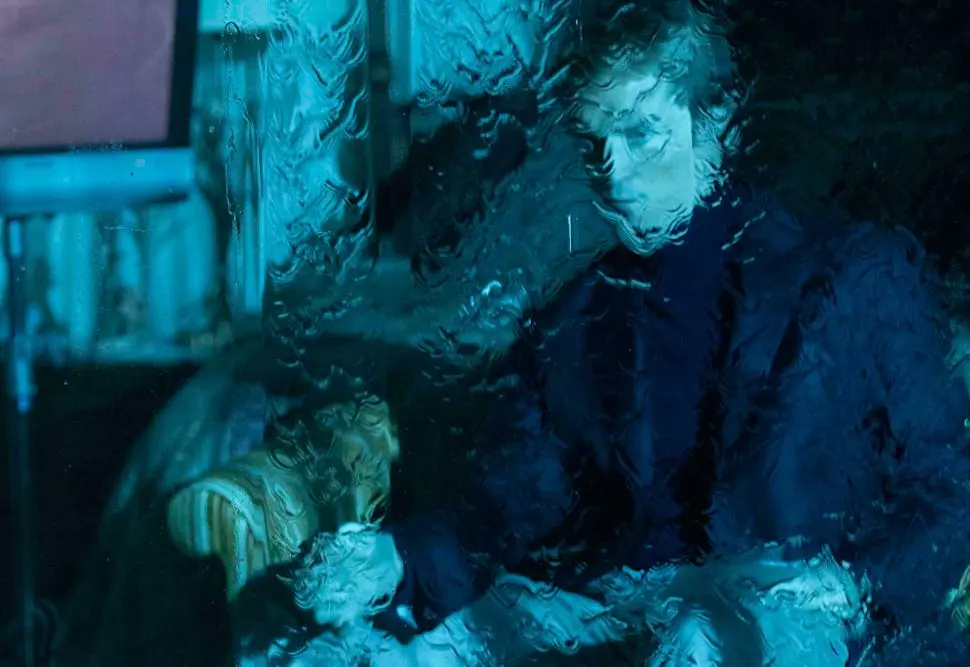
Primetime opens with Chris Hansen practicing the lines he’ll soon say to a predator. The scene then shows the collision of two worlds: the real world where the predator wants to meet a teenage girl and the artificial world Hansen and his team created to confront him.
The film implies that its version of Chris Hansen uses the artificial world of To Catch a Predator to make up for the lack of control in his real life. In real life (again, talking about the movie character), he’s an absent husband and father, not as respected as his peers like Stone Phillips, and crushed by the need to drive ratings.
But in the artificial world Hansen creates, the predators cower before him, caught off guard, completely at a loss, while Hansen’s the one who has all of the control. He knows who they are, what they’ve said, what they’re doing there. In this world, he’s god.
And that’s why we see the film version of Hansen constantly trying to bring who he is in the artificial world into the real world. It seems goofy and like a throwaway thing when Hansen calls the vending machine company and says, “Hello, this is Chris Hansen from Dateline NBC. Your machine has just stolen from me.” But look at that situation. Hansen put the money in for a snack, but the vending machine malfunctioned and the snack didn’t drop. And there’s nothing he can do about it. He has no control over it. So he leverages the control he has from being “Chris Hansen from Dateline NBC” to try and regain what he’s lost.
What happens just before that outburst? Hansen sees Stone Phillips on the TV, making him feel less than. And then his mistress calls him when she isn’t supposed to and threatens to tell his wife. He’s losing his sense of control. That’s why he calls the vending machine company and announces he’s Chris Hansen.
Every 2026 movie I’ve seen, ranked. Became a dad, so catching up. Updated: October 17
It’s the same reason he wakes his kids up and shows them To Catch a Predator. He’s a bad dad. But he hopes by showing his boys the artificial world he’s created and how admirable he is in that world that they will think better of him. Except they don’t care about that artificial world. They care about whether he’ll be at their baseball games.
This idea of real vs. artificial is the main theme of the film. The artificial world Hansen creates allows him the control he lacks in real life. Inside that world, things are simple. He’s the hero stopping a monster. The people on his team are good. The people who come to the house are bad. He’s right. They’re wrong. The movie takes this a step further by having Hansen echo one of the defining moral binaries of the 21st century.

Bush: “Every nation, in every region, now has a decision to make. Either you are with us, or you are with the terrorists.”
Hansen: “You’re either with me or you’re with [the predators].”
The September 11th attacks rocked America’s sense of control and stability. The Bush administration responded by launching the War on Terror. President Bush framed the war as a “struggle for freedom and security for the American people” and said he was “assured of the rightness of our cause.”
None of that is bad. It’s okay to have a cause, to believe in a cause. The problem happens when we lose sight of reality. When you’re so assured of your rightness, you stop thinking you can do wrong. And when you stop thinking you can do wrong, you can do anything.
That’s what happened with the Conradt situation. Initially, To Catch a Predator followed the rule that the predators had to come to the house. That was the line they crossed that sealed their fate. Conradt stayed home. Hansen felt justified in taking the show to Conradt.
Notice the role reversal.
On To Catch a Predator, the men go to the house because they think they’re going to get lucky with some teenager. Then Hansen steps out and shatters the fantasy. The reality of what they were doing quickly sets in.
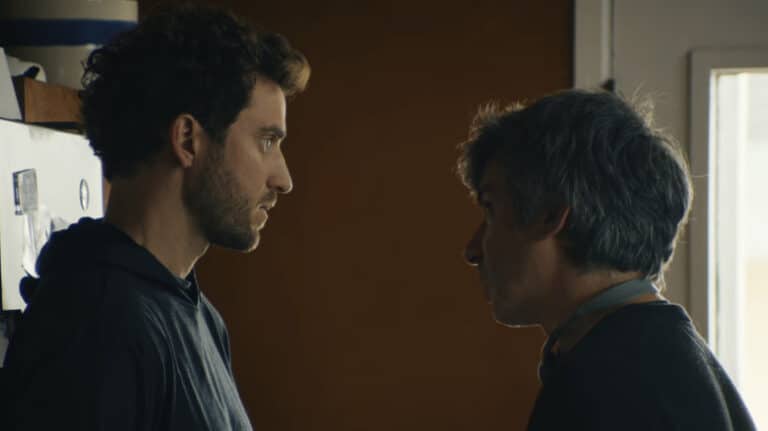
Hansen takes the show to Conradt’s house thinking they’ll get lucky by snagging this “whale”. Then Conradt shatters the fantasy. The reality of what happened quickly sets in, leaving Hansen in tears and Dan devastated.
In that moment, Hansen can no longer avoid the truth: life is messy and people can be multiple things. A great journalist can be a terrible husband. Someone who protects children from predators can be an absent father. The hero can act like a monster. A predator can be a victim. Hansen isn’t evil. Conradt isn’t innocent. Labels can be true, but they aren’t the whole truth. Reality is full of contradictions. And that can be difficult to recognize, much less accept.
When reality contradicts the moral story you’ve told yourself, it can change how you understand both the cause and your own role in it.
A veteran named “Andrew” told researchers about a moment of rage in Afghanistan after a firefight while securing a compound.
“We captured the guys that shot at us…like we had them down on the ground, on their knees, hand tied behind their back, and I stuck the muzzle of my r*** in their face, and I was screaming at them. I have never been that angry in my life. It’s like I wasn’t even human anymore … when people say they don’t understand how people could do horrible things, I understand how, because in that moment I would have k****d them if I was allowed to … It’s something that I wish I could undo that I can’t, and that shame is there that kind of drives me insane.”
The researchers wrote, “For Andrew, this experience fundamentally violated his moral understanding of himself, which impacted his sense of belonging upon reintegrating into civilian life.” Andrew attributes the disintegration of his marriage to his “persistent shame, changed sense of self, and lack of belonging”.
Dan Plum experiences a journey toward disillusionment similar to Andrew’s. Dan “enlisted” in this cause and believed in it, only for his belief to lead him to violate his moral understanding of himself. That’s why he couldn’t go back to his old life of just being an actor.
Primetime culminates with Conradt forcing a collision between the show’s artifice and reality. That collision rattles Hansen. The mask he’s worn for much of the movie falls away and he has to confront the moral story he’s told himself.
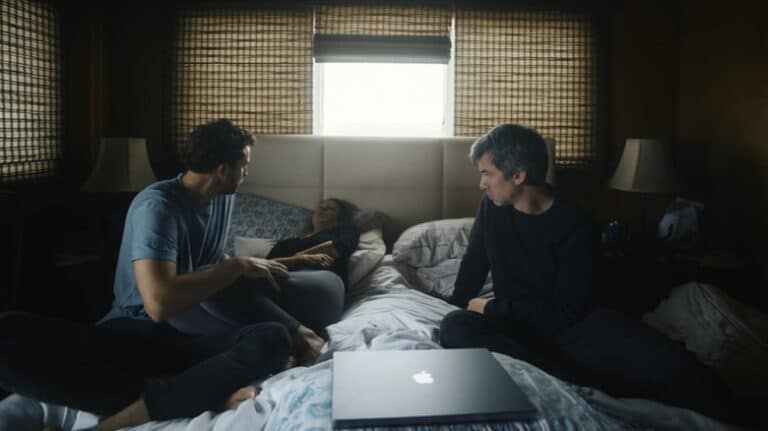
Bender already had her moment of doubt but burned her parachute by rejecting the What Would You Do? job. She’s committed to the artificial, which is why her response is to reframe reality so it works for Dateline.
Dan initially chooses to walk away. But the SAG card asks him to reconsider. It represents the allure of the artificial. So the question asked by the nosy neighbor goes beyond whether Dan is an actor or not. It’s the film asking the character to decide between reality and artifice.
In real life, Dan Schrack, the real Decoy Dan, changed careers. He left acting and became a producer for a news station in Buffalo, then a news anchor in Elmira, New York. In 2019, he joined the 13WHAM News team in Rochester, NY. He’s now their morning anchor.
If the real Dan gave up acting and moved to upstate New York, why did Primetime end with fake Dan getting the SAG card?
But the question isn’t just for Dan Plum. The question is for the audience.
Primetime lured people to the theater by advertising a To Catch a Predator biopic starring Robert Pattinson as Chris Hansen. Then it shattered the fantasy. The reality is the film was never about To Catch a Predator or Chris Hansen but our relationship with spectacle. It wants to know why we’re there. What we hoped would happen. And why we wanted the spectacle in the first place.


Film Colossus Supporters get access to the Frameshift and Active Viewing courses, an ad-free site, the Watch More Films newsletter, and the ability to request movies for analysis. Your support also directly keeps Film Colossus alive while I try to scale it into something sustainable, as it's just me, Chris, who does everything here.
Or create a free account. You gain access to the Active Viewing course and Watch More Films.
Join the Film Colossus community, get the newsletter, and unlock member features as they're added.