Newsletter Subscribe
Enter your email address below and subscribe to our newsletter

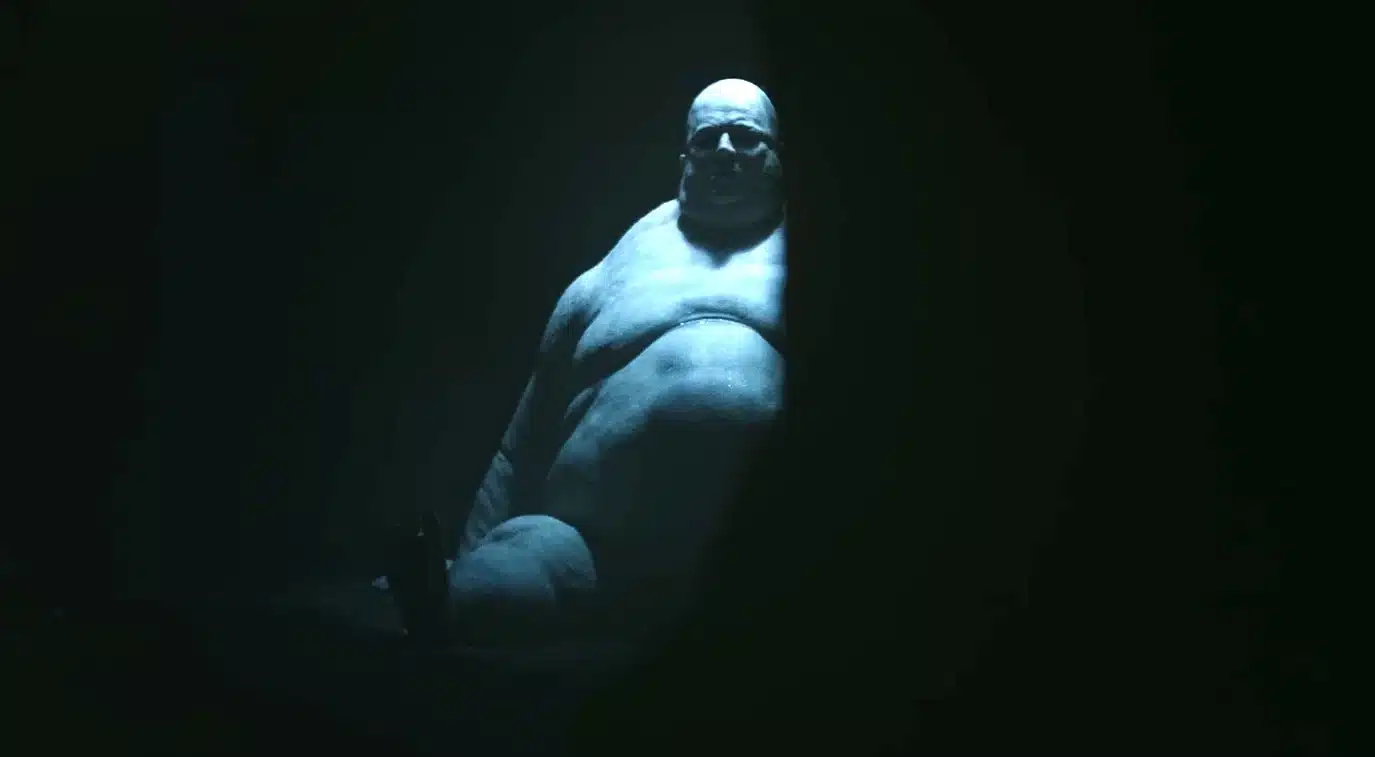
Bryan does not turn into an established Resident Evil monster. He’s not Nyx or William Birkin. Zach Cregger made a film that matched the spirit and vibe of the RE franchise but not the specific characters or monsters. We get nods to the game and will recognize influences. But there’s no Jill Valentine or Leon Kennedy or Nyx or William Birkin.
The final monster is entirely unique to Cregger’s world. But I’d like to explain to you why it takes the form that it does.
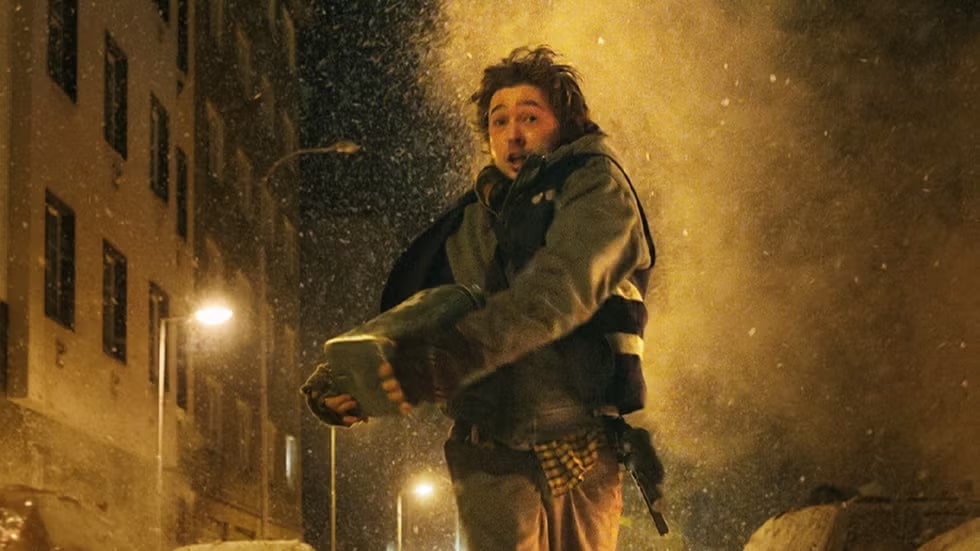
Bryan’s on an emotional journey that has nothing to do with the T-Virus outbreak. His girlfriend is pregnant and he’s freaking out about what that means for his life. In the parking garage, before he enters the hospital, he records a voice memo to Michelle where he explains that his terrible reaction to the pregnancy news was because he’s afraid.
“I hate that my first reaction was just me being… afraid of… of… change and of… growing up, and… you know, the idea of having a baby means that all that’s coming whether I wanted or not.”
Earlier in the film, when he was still freaking out, he told her: “I know not every big change has to be scary, and, like, a bad thing, but I just think that our life is amazing right now.”
By “our life is amazing right now”, Bryan was essentially saying, “I like the freedom that comes with not being a parent.” When you’re a parent, you have responsibilities. You’re no longer just taking care of you. And in this case, having a kid probably also means a larger commitment to Michelle. Is Bryan ready to become a husband and a father? To have a family?
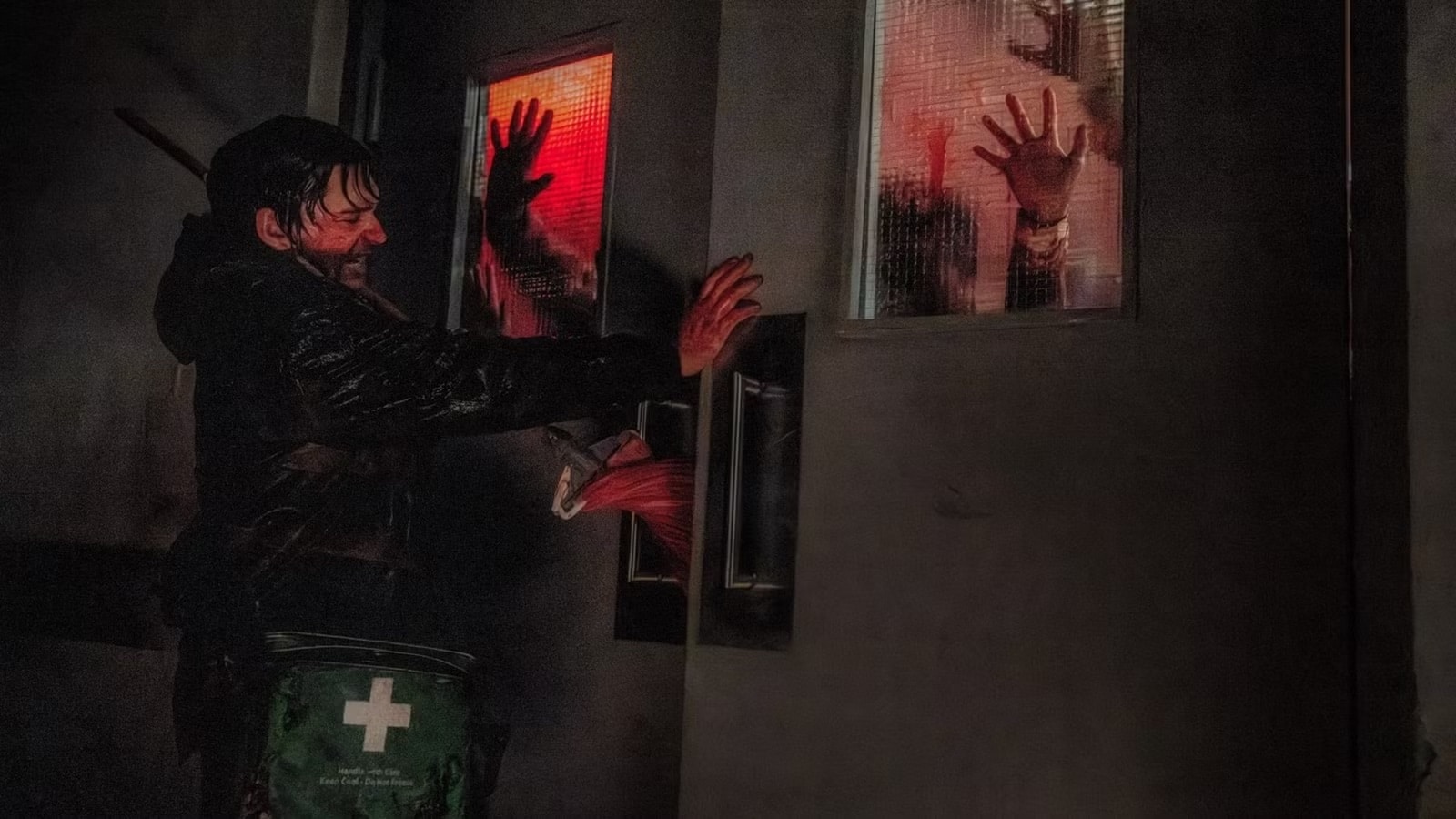
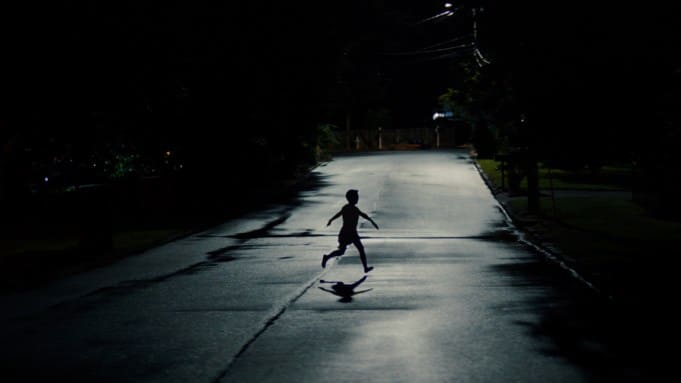
This idea of the individual becoming part of a family is, I think, the reason Cregger features the evolving amalgamation monster. The first time we actually see the monster join with someone else is the headless wife merging with the husband in the farmhouse. Not only that, the very next “monster” Bryan runs into is the little girl who bites him. Obviously, the girl isn’t connected to the older couple, but you can see what Cregger’s doing, right? He turns Bryan’s anxiety about growing up—becoming a husband and a father—and externalizes it by having him confront these representations of the very thing he’s stressed about.
Every 2026 movie I’ve seen, ranked. Became a dad, so catching up. Updated: October 5th
If he had gone home to talk with Michelle like he initially said he would, that would have been Bryan taking the first step on the path to growing up. Instead, he accepts the delivery to Raccoon City because it allows him to avoid the conversation, avoid reality. Bryan wants to stay “Bryan”. He isn’t emotionally ready to be part of the amalgamation that is “Bryan, Michelle, and kid.” So it’s an amalgamation that chases him.
He’s essentially wondering, “If I become Michelle’s husband and this child’s father, am I still Bryan? Or do I disappear into the family?”
That makes the final monster quite interesting. Because thematically Bryan finally changes, finally stops being “Bryan” and becomes part of an amalgamation. So, like, technically, he completes his character arc? The question is: is this good or bad?
I’m a big proponent of Robert McKee’s narrative teachings in Story. He talks about the principle of antagonism and how the protagonist generally represents the positive charge of a value while the antagonist represents the negative charge. So if Batman represents order, a villain will represent chaos. But there are two other values that add dimensionality. A contrary to the positive and the negation of the negation, which is essentially a corruption of the positive.
If you’re familiar with The Dark Knight, you can maybe recognize how these play out. Batman starts by wanting to bring order to Gotham. Joker challenges that by adding additional chaos. Batman actually wants to stop caring about order and just be Bruce Wayne and run off with Rachel (that’s why he’s trying to elevate Harvey Dent). After Joker destroys Dent and is seemingly about to win, Batman uses a totalitarian surveillance system to defeat the villain.
With Bryan, we see something that looks like this:
If you view Resident Evil as representative rather than literal, then Bryan becoming that final monster is really just him “growing up”. So it could technically be read as a happy ending. Again, if you view film as representative rather than literal.
But in the literal world of the film, Bryan’s fear of the positive value causes him to pursue independence, which leads him to isolation and ultimately to a far more awful kind of assimilation where he loses his identity entirely. He was always going to grow up, and he could have embraced the positive version of that change. Instead, he ran from it, and this is the result.
Cregger has talked about how he wrote himself into the film, how he is in his forties and doesn’t have kids. That makes me wonder if he’s expressing some personal regret through Bryan. How long can you preserve the life you already have before it starts to become its own kind of loss?


Film Colossus Supporters get access to the Frameshift and Active Viewing courses, an ad-free site, the Watch More Films newsletter, and the ability to request movies for analysis. Your support also directly keeps Film Colossus alive while I try to scale it into something sustainable, as it's just me, Chris, who does everything here.
Or create a free account. You gain access to the Active Viewing course and Watch More Films.
Join the Film Colossus community, get the newsletter, and unlock member features as they're added.