Newsletter Subscribe
Enter your email address below and subscribe to our newsletter
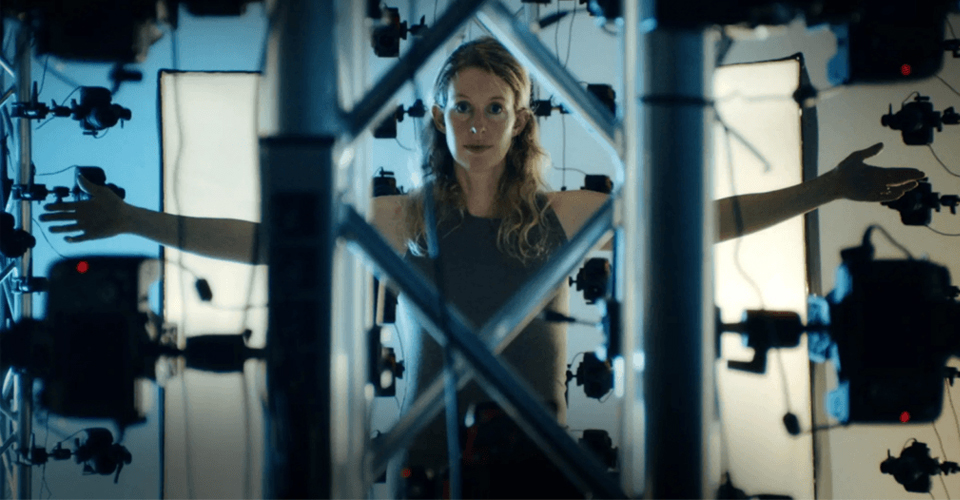
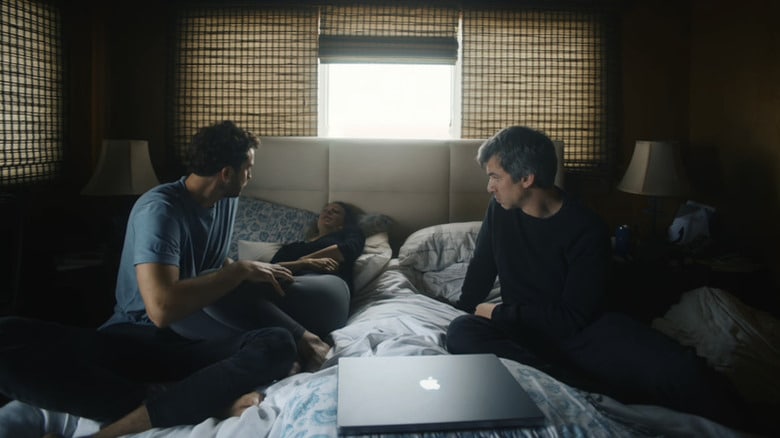
There was an interview with Rolling Stone where Amanda Seyfried asked Nathan Fielder and Lance Oppenheim how they managed to turn 700 hours of footage into You Can See Everything.
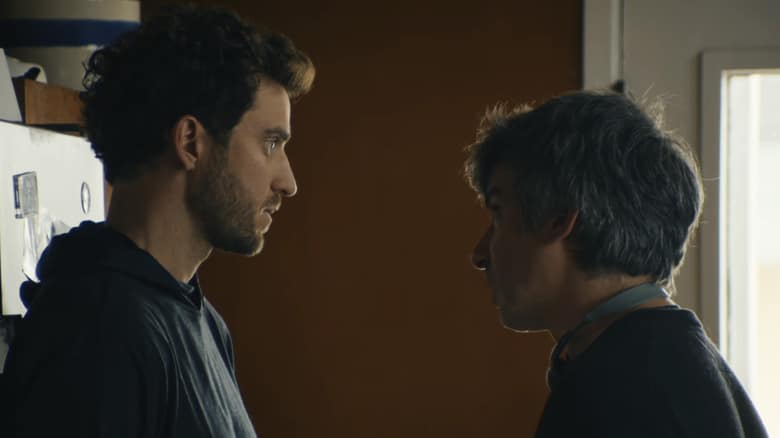
Oppenheim explained that he, Fielder, and Adam Locke-Norton (editor) were drawn to scenes they disagreed on. “Our experience watching them would be so different from one another’s, and that felt like a powder keg or something.”
It makes sense, then, why people across the world are having essentially the same powder keg conversations the filmmakers were having.
Is Elizabeth Holmes manipulating Nathan Fielder? Is Billy Evans manipulating Elizabeth Holmes? Is Nathan manipulating us? Is the documentary a cautionary tale about our relationship with fact and fiction? Or is something else going on?
Many have already crowned You Can See Everything a masterpiece of nonfiction filmmaking. Others have argued that calling it a documentary is irresponsible. Some see Fielder’s growing sympathy for Holmes as evidence of her effectiveness as a manipulator. Others see it as something more beautiful and human.
What’s especially interesting is that we’re all talking about the exact same scenes, yet interpretations are all over the place.
I thought it would be fun to highlight some of the most interesting interpretations of You Can See Everything and get real meta with the whole thing.
In my Giant Explanation of You Can See Everything, I focus on how Holmes becomes this central figure that everyone else constructs a different version of. The film, Evans, Seyfried, and The New York Times all create versions of Elizabeth Holmes that influence how we perceive her.
Billy creates an AI version of Elizabeth. Nathan brings in Amanda Seyfried to recreate Elizabeth. Both find their own way to speak for a woman who isn’t there.
This climaxes with Fielder using his recreation of the prison visit to parallel Amy Chozick’s New York Times profile and the discrepancy about what Holmes said.
Did Holmes say the media was playing a character she created or a character they created?
Did Holmes tell Fielder she knew Billy was talking to him about it or about something?
In both instances, a single word fundamentally changes our perception of Elizabeth Holmes. And in both instances, the person responsible for the representation asks us to trust their recollection without providing any evidence for their version.
Fielder spends much of the film documenting how others portray Holmes, seemingly unaware how his own feelings might influence the documentary.
That’s why the film builds all the way up to Seyfried questioning Fielder’s objectivity, followed by the flashback to Fielder and Holmes swimming together. Early in the film, Holmes asked Fielder to swim with her and he seemingly passed on the invitation. Now, it’s revealed that he took her up on it. That revelation shifts our entire understanding of not only the dynamic between Fielder and Holmes but the film itself.
Every 2026 movie I’ve seen, ranked. Became a dad, so catching up. Updated: October 17
We didn’t see everything.
And I think that’s what You Can See Everything ultimately asks us to acknowledge about ourselves. We regularly form judgments about people based on partial information that someone else has framed for us. It doesn’t matter if the person doing the framing has good intentions or not. They can’t show us everything. So our perception is always formed around incomplete information.
You Can See Everything reminds us we should be more conscious of the limitations of our own knowledge and how those limitations affect our judgment of others.
Whereas many filmmakers would have regarded Holmes as a subject to be studied, Fielder seems to see her as an opponent to be challenged and beaten. If he can shoot what Holmes wants him to shoot, but ultimately seize control of the narrative, then he’s the more powerful storyteller. This, I think, is why he doesn’t bring in outside evidence to show what a well-documented liar Holmes is. That would be cheating. Instead, he has to venture into the monster’s lair alone, and defeat her in single combat. He has to film the movie that she asks him to film, and let her show him only what she wants him to see, and still have audiences walk away having seen the story that he wants to tell.
“You can say something false with the intent to deceive someone. That is a lie,” Brody says. “But you can also say something true, leave out crucial information, or say something true that creates a false impression. There’s also a term for that, and it’s called ‘paltering.’ Paltering is the use of a truthful statement with the intent of creating a false impression.”
This isn’t a movie about Holmes’s guilt; this is a movie about humanity’s capacity for self-delusion and how, both intentionally and unintentionally, that delusion can become contagious. Throughout You Can See Everything, we watch Fielder, who’s normally the commander of the on-screen human machinations, be gaslit into interrogating tiny nuances of language to establish some semblance of a shared reality with his subject.
So, somewhere between all of these simulacrums, can we find a clear image of who Elizabeth Holmes, the face of Theranos, really is? Honestly, I feel that I know even less about who Holmes is and what her intents were than I did going in. If anything, the movie enlightens us more to the thoughts, feelings, and intentions of just about everyone else. We see Fielder’s empathy for Liz bloom. We see the extent of hunger for power and supposed retribution within Billy Evans, a seemingly-dishonest entrepreneur in his own right (with an affluent Mormon upbringing he’s not eager to discuss). We see the emotional baggage and subconscious guilt that Amanda Seyfried carries around her fictionalized depiction of Holmes. Hell, I’d argue we learn a bit about A24’s dedication to the project by their willingness to pay out Evans (as well as insight into the true power dynamic between Evans and Holmes, as the movie’s final moments arguably imply she talked Evans out of that deal). All that aside though, we walk away after supposedly seeing everything without a clear image of Holmes after the dust settles.


Film Colossus Supporters get access to the Frameshift and Active Viewing courses, an ad-free site, the Watch More Films newsletter, and the ability to request movies for analysis. Your support also directly keeps Film Colossus alive while I try to scale it into something sustainable, as it's just me, Chris, who does everything here.
Or create a free account. You gain access to the Active Viewing course and Watch More Films.
Join the Film Colossus community, get the newsletter, and unlock member features as they're added.